Common Causes of Concrete Foundation Damage
Homeowners seeking foundation damage repair aim to fix issues caused by common factors like soil shifting and moisture problems, with local contractors ready to provide expert solutions.
Understanding the common causes of concrete foundation damage is an important step for property owners concerned about the stability of their homes. Issues such as soil movement, poor drainage, and extreme weather conditions can all contribute to foundation problems over time. Recognizing these factors helps homeowners identify early warning signs and seek timely assistance from experienced local contractors who specialize in foundation repair. By learning about these causes, property owners can better protect their investments and ensure their homes remain safe and secure.
For those in the area exploring foundation damage repair options, knowing what leads to foundation issues can guide decisions about maintenance and repairs. Local service providers are equipped to diagnose the root causes of damage and recommend appropriate solutions tailored to the specific challenges of the property. Whether addressing shifting soil, water intrusion, or other common issues, connecting with trusted local contractors can make a significant difference in restoring stability and preventing future problems. Keep reading to discover more about the typical causes of concrete foundation damage and how local experts can assist.
- homeowners noticing cracks or settling in their foundation may need foundation damage repair services, which local contractors approach by assessing the extent of damage and implementing stabilization techniques. - when soil expansion or contraction causes shifting of the foundation, local service providers can evaluate the cause and perform repairs to restore stability. - in cases where water intrusion or poor drainage has led to foundation deterioration, local pros typically address the issue through waterproofing and drainage improvements. - if previous construction or nearby excavation has compromised the foundation, local contractors can repair or reinforce the affected areas to prevent further damage. - signs of foundation movement due to tree roots or soil erosion prompt local experts to perform targeted repairs that mitigate ongoing structural issues.
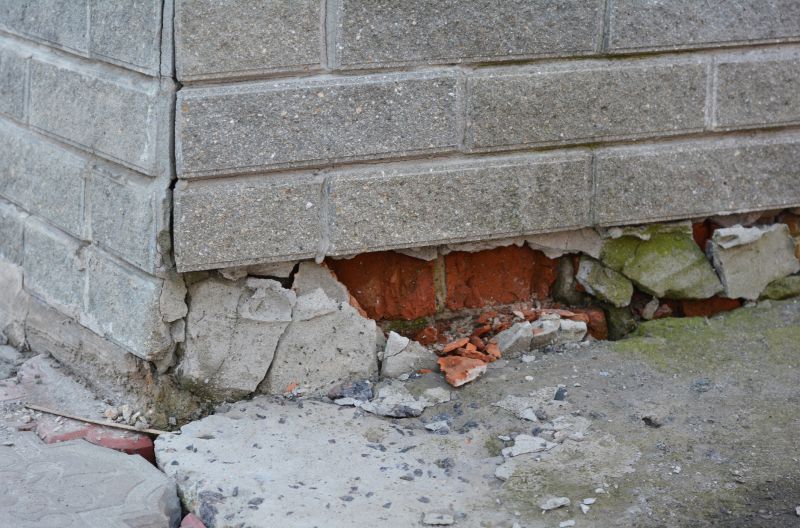
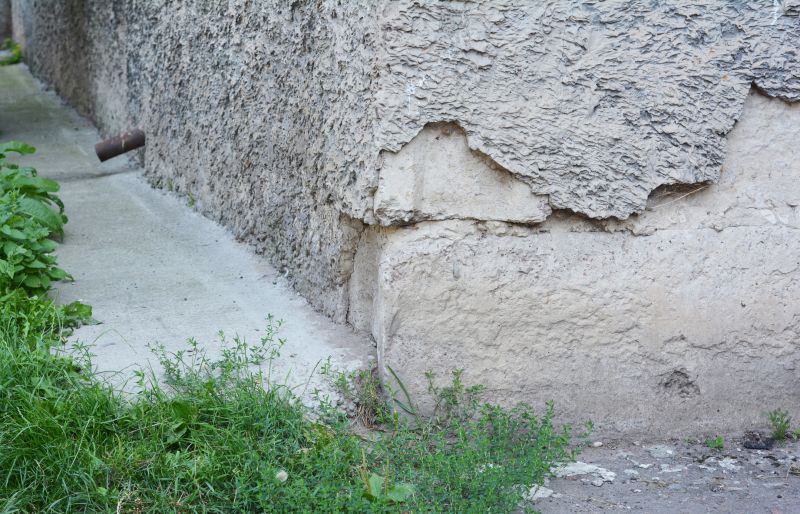
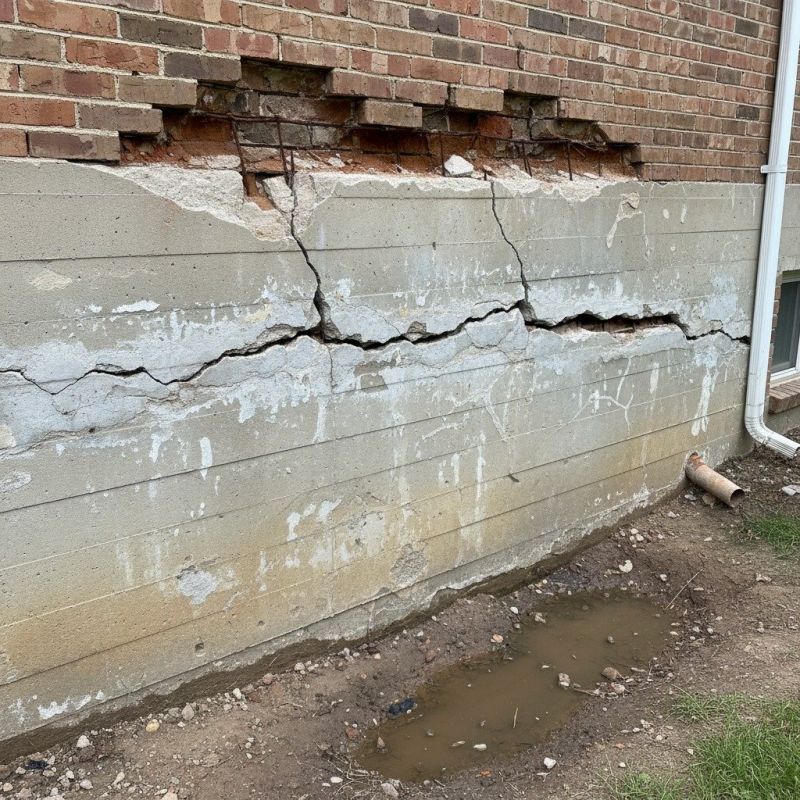
Understanding common causes of concrete foundation damage is essential for homeowners who want to protect their property and ensure its stability. When searching for this topic, many are seeking to identify why their foundation may be showing signs of distress, such as cracks, uneven floors, or doors that stick. These issues often relate to underlying problems that, if left unaddressed, can lead to costly repairs or more severe structural concerns. Knowing the typical causes helps homeowners recognize early warning signs and plan for appropriate repairs, which often involve local contractors specializing in foundation repair.
The problems associated with foundation damage frequently stem from issues like soil movement, water intrusion, or poor construction practices. For example, expansive clay soils can swell when wet and shrink when dry, exerting pressure on the foundation and causing cracks or shifting. Excess moisture around a property can also weaken the soil's support, leading to settling or sinking of the foundation. Conversely, inadequate drainage or plumbing leaks can introduce water into the soil, accelerating deterioration. These factors are common in residential properties, especially those built on unstable or poorly prepared ground, making it crucial to address the root causes to prevent ongoing damage.
Properties most affected by foundation issues tend to include older homes, those built on clay or expansive soils, and properties located in areas with significant moisture fluctuations. Both single-family homes and multi-unit buildings can experience foundation problems, especially if they have inadequate drainage systems or were constructed without proper soil analysis. Commercial properties and townhomes are also susceptible, particularly if they share foundations or have complex underground structures. Recognizing the type of property and its environmental context helps homeowners understand the potential causes of damage and how local foundation repair specialists can provide targeted solutions to stabilize and restore their structures.
For homeowners concerned about foundation damage, understanding the common causes is a vital step toward maintaining property value and safety. Local service providers who specialize in foundation repair can assess the specific issues affecting a property, identify underlying causes, and recommend the most effective solutions. Whether the damage results from soil movement, water-related issues, or poor construction, these professionals have the expertise to address the root problems and implement repairs that help prevent future damage. Connecting with experienced local contractors ensures that foundation concerns are handled efficiently and properly, helping homeowners protect their investments and maintain peace of mind.
Foundation Waterproofing Projects - These projects involve applying waterproofing solutions that prevent water intrusion, addressing one of the common causes of concrete foundation damage.
Drainage System Installations - Proper drainage helps manage soil moisture levels around foundations, reducing the risk of damage caused by water-related issues.
Soil Stabilization Services - Soil stabilization techniques ensure the ground beneath foundations remains stable, which is essential for preventing shifting and cracking.
Concrete Leveling and Lifting - These services correct uneven or sinking concrete slabs, which can be signs of underlying foundation problems linked to common causes of damage.
Retaining Wall Construction - Building retaining walls helps control soil pressure and water flow, mitigating risks that contribute to foundation deterioration.
Erosion Control Projects - Erosion control measures protect the soil around foundations from washout or shifting, addressing issues related to common causes of concrete damage.
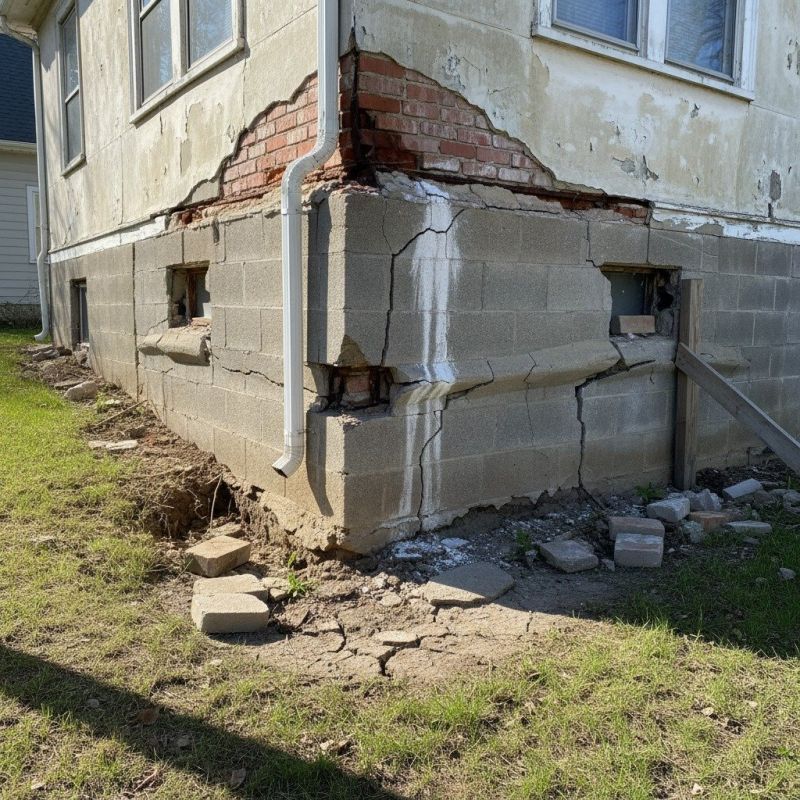
When evaluating service providers for foundation damage repair, it is important to consider their experience with similar projects. Homeowners should inquire about how many foundation repairs the contractor has completed that involve common causes of concrete foundation damage, such as settling, shifting soil, or water intrusion. A contractor with a history of handling these issues is more likely to understand the specific challenges involved and to recommend effective solutions. Additionally, reviewing references or testimonials from previous clients can offer insight into the contractor’s ability to deliver quality work and navigate the complexities of foundation repair projects similar to the homeowner’s needs.
Clear written expectations are essential when comparing local contractors. Homeowners should seek detailed proposals that outline the scope of work, materials to be used, and the steps involved in addressing foundation damage. This ensures there is a mutual understanding of what the project entails and helps prevent misunderstandings later on. Contractors who provide comprehensive, transparent documentation demonstrate professionalism and a commitment to clear communication. Establishing these expectations early can contribute to a smoother repair process and help homeowners feel confident in the services being offered.
Effective communication and reputable references are key factors in selecting a reliable service provider. Homeowners should look for contractors who are responsive to questions, willing to explain their approach to addressing common causes of concrete foundation damage, and who maintain open lines of communication throughout the project. Gathering references from previous clients can provide additional assurance of the contractor’s reputation and reliability. When local pros prioritize good communication and have positive feedback from past customers, homeowners are better equipped to choose a partner capable of handling foundation repair needs efficiently and professionally.
Property owners often search for common causes of concrete foundation damage when they are planning practical projects around their homes and businesses. Local pros provide Foundation Damage Repair services for everyday jobs and straightforward project options.
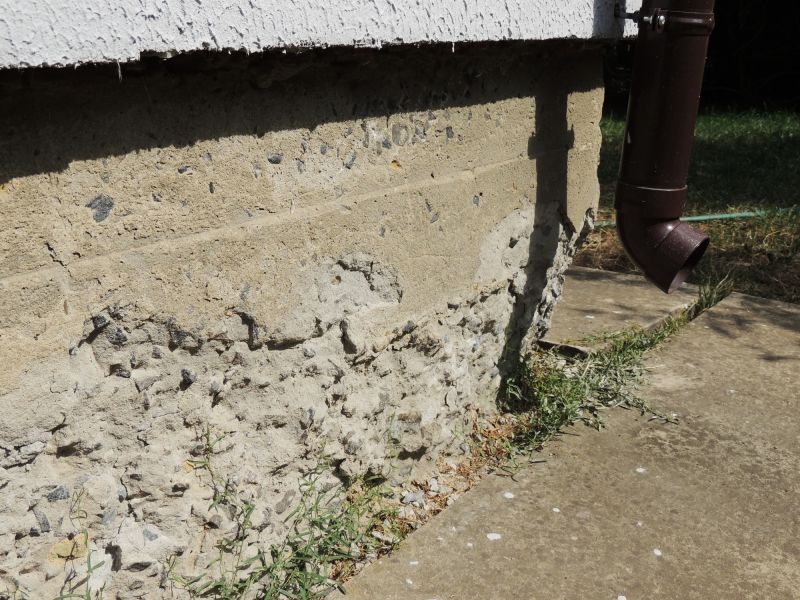
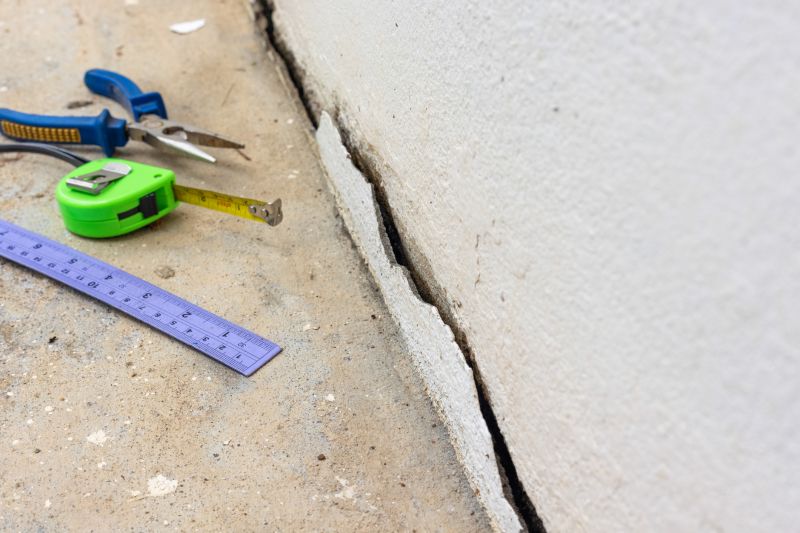
Understanding the common causes of concrete foundation damage can help property owners identify early signs of trouble and prevent costly repairs down the line. In many cases, issues stem from natural ground movement, such as soil shifting or settling, which can exert uneven pressure on the foundation. Additionally, poor drainage around the property can lead to water pooling or seeping into the soil beneath the foundation, weakening its stability over time. Everyday projects like landscaping or installing new driveways without proper planning can inadvertently contribute to these problems, making it important for property owners to seek guidance from local contractors experienced in foundation repair.
Property owners in the area might also notice damage caused by environmental factors such as heavy rain or drought cycles, which cause soil to expand or contract. These fluctuations can create stress on the foundation, especially if the soil isn't properly prepared or maintained. Furthermore, issues like tree roots growing close to the foundation can exert pressure and cause cracks or shifting. When such signs appear, consulting local service providers who specialize in foundation damage repair can help determine the underlying cause and recommend appropriate solutions to safeguard the property’s stability.
What are common causes of concrete foundation damage? Common causes include soil movement, poor drainage, and improper construction practices that lead to shifting or cracking of the foundation.
How does soil movement affect foundation health? Soil movement, such as expansion or contraction due to moisture changes, can exert pressure on the foundation, causing cracks and structural issues.
Can poor drainage contribute to foundation damage? Yes, inadequate drainage can lead to water pooling around the foundation, increasing soil moisture and weakening the concrete over time.
What role does improper construction play in foundation damage? Improper construction techniques, like inadequate reinforcement or improper curing, can make foundations more susceptible to cracking and settling.
How can local contractors help address foundation damage caused by these issues? Local service providers can assess the damage, identify underlying causes, and perform repairs or reinforcement to help protect the foundation from future issues.
Soil movement and poor drainage - property owners can identify areas where water tends to collect around the foundation and work with local contractors to improve grading or install drainage solutions.
Tree roots and landscaping issues - understanding how nearby trees and plants can affect the foundation helps property owners plan for root barriers or removal with the help of experienced service providers.
Heavy loads and structural stress - homeowners can evaluate how added weight from decks, extensions, or equipment impacts the foundation and seek advice from local pros on reinforcing or modifying the structure.
Cracks and settlement signs - recognizing early signs of foundation settling allows property owners to schedule inspections and repairs with local contractors before damage worsens.
If you are thinking about common causes of concrete foundation damage for a property, this guide is meant to help you understand this topic, the typical project types, and how different options might fit your plans.
When you are ready, you can use the quote form on this page to share a few details about your project. From there, local pros can review the basics and follow up with options that match what you have in mind.